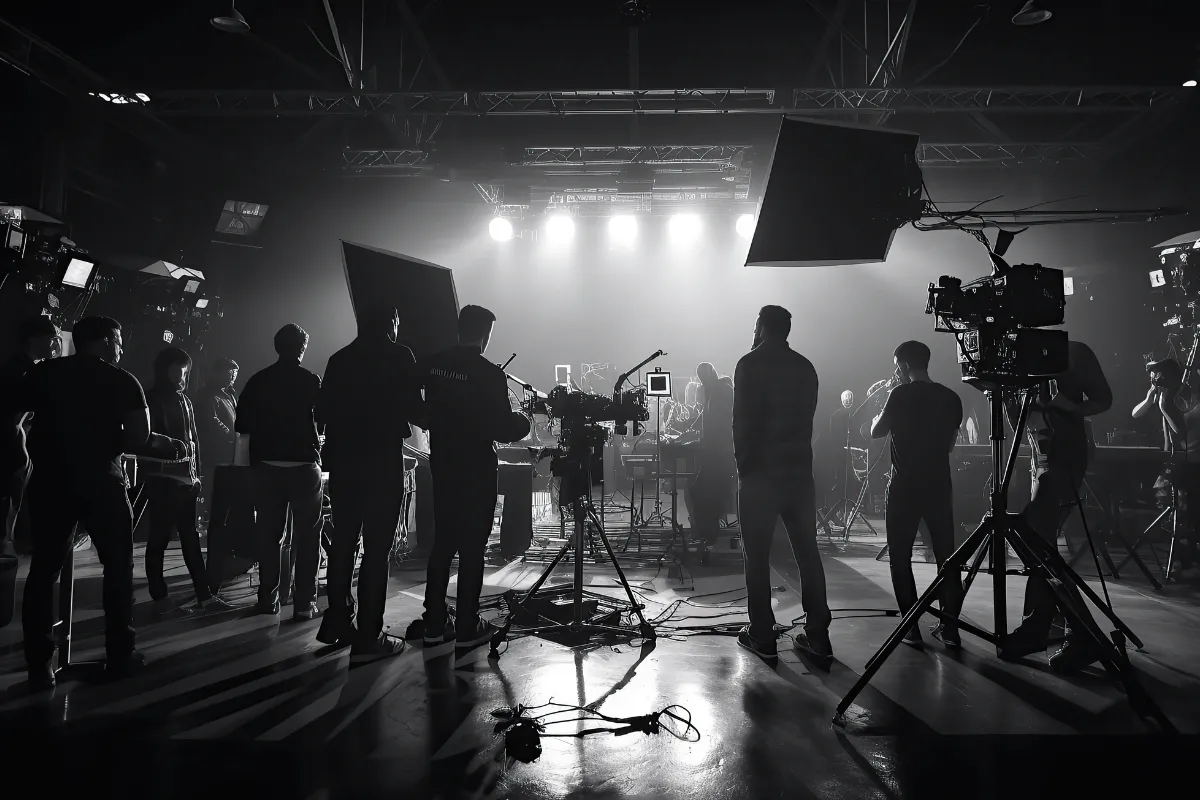

You might be an independent artist or musician, a designer moving from gig to gig or a writer pitching across the country. Whatever the role, your income arrives in waves and slow periods can be stressful.
Traditional banking is built for predictable schedules. Creative Arts Financial focuses on the realities of gig work realities of gig work and the creative economy in Canada.
Key takeaways
- Gig economy finances require a different system: Irregular income, late payments, and project based work mean traditional banking doesn’t fit the reality of creative professionals.
- Organized cash flow is the foundation of stability: Separating money into spending, tax, emergency, and savings accounts turns unpredictable income into a manageable, structured financial routine.
- Creative careers come with unique expenses and risks: From high cost gear to lack of benefits, freelancing requires intentional planning around insurance, equipment financing, and personal protection.
- Retirement and long-term planning matter even with fluctuating income: RRSPs, TFSAs, and flexible investing strategies help gig workers build a future without needing consistent monthly contributions.
- Creative Arts Financial is the banking partner built for creatives: With flexible products, supportive advisors, and an understanding of freelance lifestyles, we help artists and gig workers gain confidence, control, and long term financial stability.
How to manage irregular
Creative gig work often comes in waves. Some months overflow with projects and retainers while others are quiet and full of proposals, edits, and waiting on approvals. That volatility makes it hard to plan monthly budgets, save consistently, and qualify for credit or rental applications that prefer predictable income. The solution is to design a simple cash flow system that smooths the peaks and cushions the dips. Start by separating your money by purpose. Keep a primary spending account for day to day, a dedicated account for income tax, an emergency fund for slow seasons and gear emergencies, and a growth bucket for goals like a studio upgrade or a down payment. When a client pays, sweep fixed percentages into each bucket on the same day. This turns unpredictable income into predictable behavior. Creative Arts Financial can help you set up personal and business accounts, so your money is organized by the way you actually work.
Smart tax planning for freelancers in Canada
Managing taxes is an essential part of running any creative or freelance business. Check local tax regulations to determine whether you need to register your business, collect sales tax, or file specific forms. Because many freelancers pay income tax in arrears, it is important to set aside a portion of each payment as soon as it comes in and treat tax as a non‑negotiable expense. Keep digital copies of receipts and regularly track deductible costs such as software, equipment, subscriptions, workspace expenses, travel, and data usage so you are not scrambling at year‑end. Setting aside funds for quarterly installments can also help prevent unexpected tax bills. Staying organized with cash flow, documentation, and compliance will make tax season far more manageable.
Financing tools and equipment without breaking cash flow
The creative toolkit is not optional. Cameras, lenses, lighting, microphones and studio rentals are the cost of delivering excellent work. Those expenses often arrive before the project pays. A flexible line of credit or a well‑managed credit card can bridge production costs and reduce pressure even when payments are delayed. The goal is to match financing to the life of the asset and to your payment timeline. Creative Arts Financial offers borrowing options and practical guidance for freelancers who need to gear up without derailing cash flow, with a focus on responsible utilization and keeping your credit score healthy for future goals like a vehicle, a studio lease, or a mortgage.

Building credit and access to loans
Many lenders prefer salaried income when assessing credit applications, which can disadvantage freelancers even when their annual revenue is strong. The antidote is documentation and consistency. Keep clean invoices, bank statements, and a clear record of business activity. Maintain separate business and personal accounts. Keep credit utilization moderate and pay on time. Show a multi‑year pattern of income, even if monthly numbers fluctuate. Creative Arts Financial understands the seasonal patterns of the arts and entertainment sectors and works with members to present a full picture of creditworthiness that reflects the reality of freelance work.
Protecting your health and income
Unlike full‑time employees, gig workers typically do not receive health and dental coverage, vision benefits, disability insurance, or life insurance. Buying coverage independently can feel expensive, but the cost of going without is higher when your livelihood depends on your hands, eyes, voice, and mobility. Build protection in layers. Start with an emergency fund to handle small shocks. Explore health and dental coverage that matches your budget and needs. Consider disability insurance to safeguard income if an injury or illness prevents you from performing.
Navigating late payments and pricing pressure
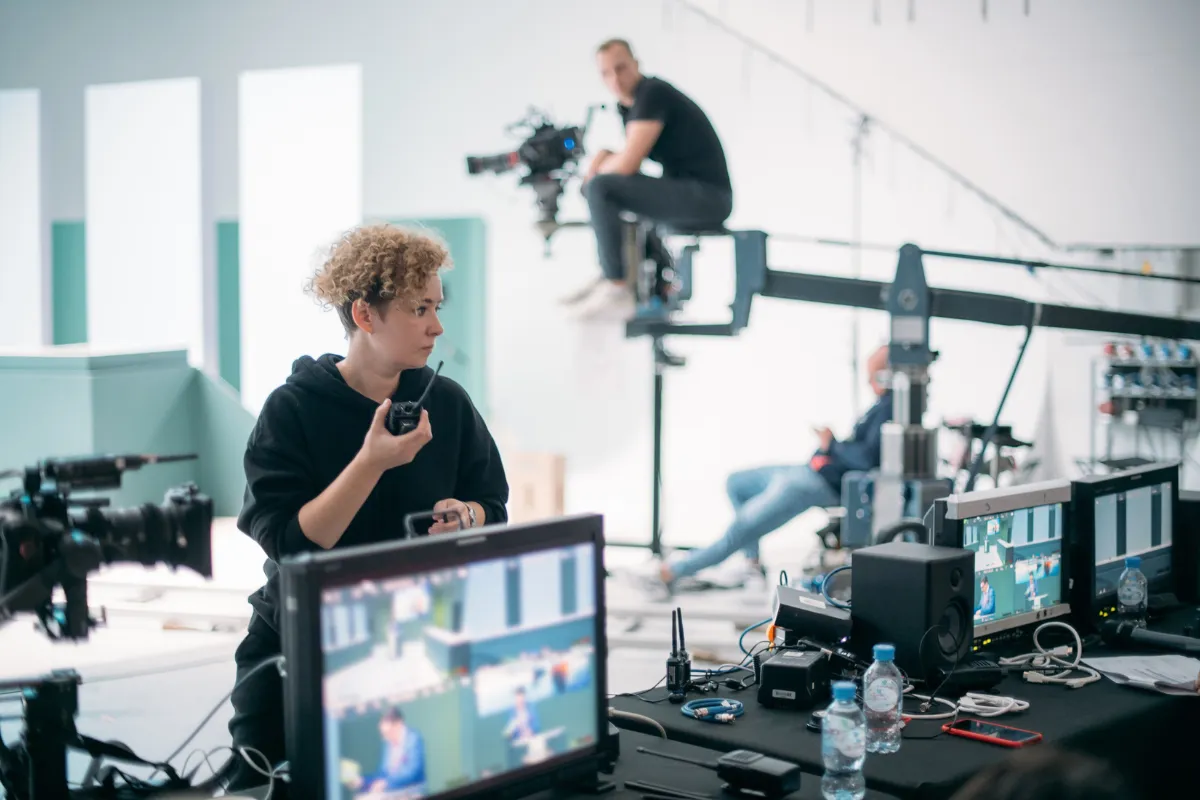
Late payments are common pain points for creatives. Payor’s stretch-out payment terms, approvals drag, and sometimes invoices go quiet. Protect your cash flow with clear estimates, deposits before project kickoff, milestone billing, and written change orders. Offer easy payment options to reduce friction. If a payor negotiates long terms, price the timeline into the fee or plan to use a line of credit strategically so your month stays on track. At the same time, build a tiered rate card with clearly defined. Build a tiered rate card with clearly defined deliverables and a floor rate you do not cross. Track your time and include the true cost of software, studio time, subcontractors, and revisions.
Mental health and money routines
The emotional side of freelancing is real. Irregular income fuels anxiety, constant self‑promotion is draining, and juggling multiple roles can lead to burnout. Routine is the remedy. Use a weekly operations hour to send invoices, reconcile transactions, file receipts, review your rolling 90‑day forecast, and schedule transfers to taxes and savings. Label your accounts so you always know where money is going. Keep business and personal finances separate to maintain clarity. Creative Arts Financial encourages systems that make your money feel predictable, which gives you the mental space to do your best creative work.

We welcome you to our Creative Arts family
At Creative Arts Financial, you are more than a member. You are part of a community built around the energy, courage, and imagination of creative professionals. Whether you are freelancing full time, balancing multiple projects, or growing your creative business, we are here to support your ambitions with guidance that respects how you work and how you earn. When you join us, you gain a financial partner who understands the creative journey and celebrates the people who shape it. We are here to help you thrive with confidence and clarity. Welcome to the Creative Arts family.