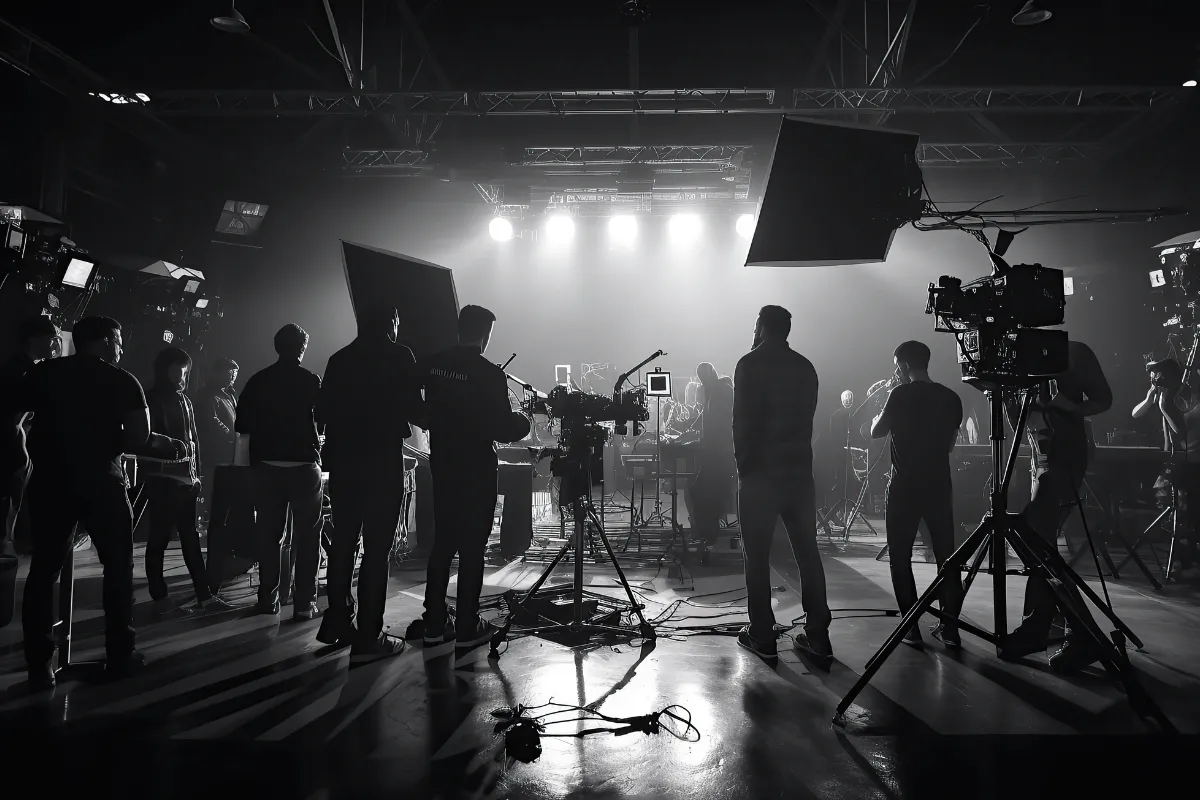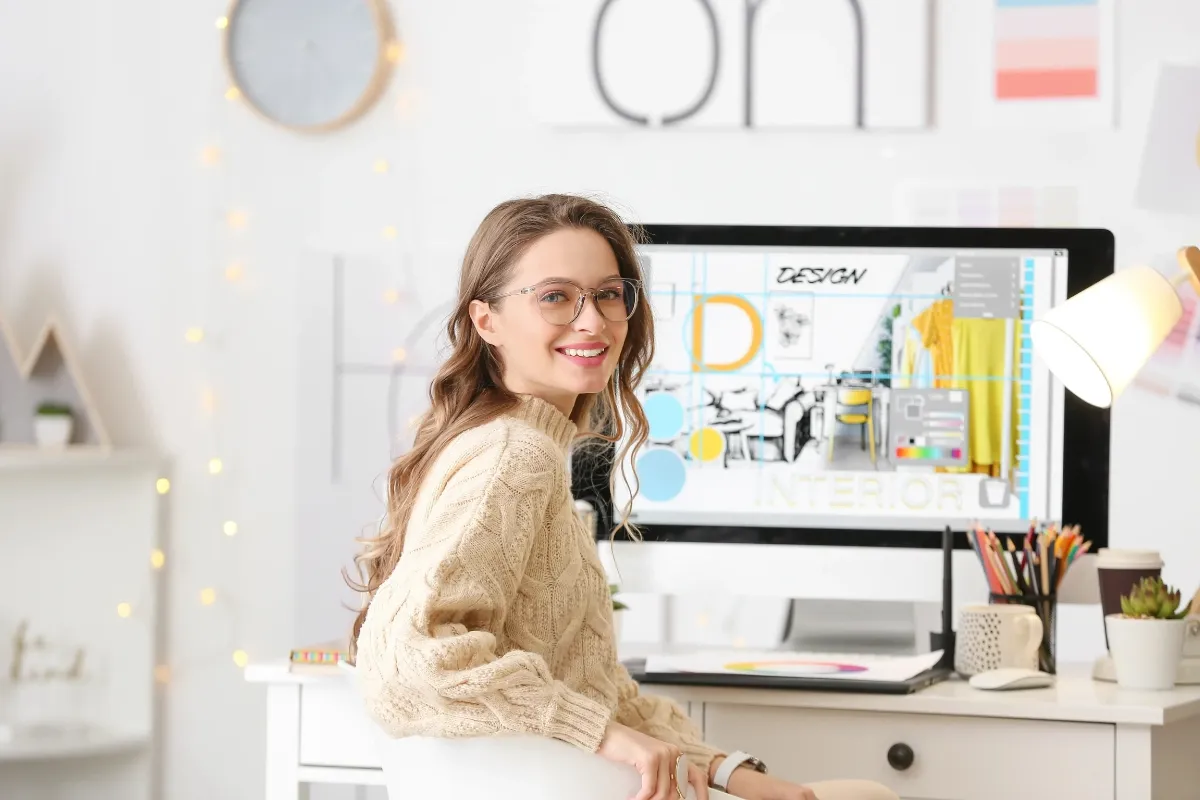

Opening an artist space is one of the most meaningful steps a creative and community builder can take. It is a commitment to your own work and to the wider creative community you want to nurture. Whether you are dreaming of a private studio, a multidisciplinary workspace, or a community‑first hub where ideas collide, opening an artist space brings imagination and responsibility together.
This journey is not just about finding a room and filling it with creativity. It is about understanding costs, planning for sustainability, and preparing for the realities of managing a shared creative space. When approached thoughtfully, an artist space can become a place where creativity flourishes and financial stress takes a back seat to momentum.
Key takeaways
- Opening an artist space starts with clarity around purpose and community need.
- The cost of opening an artist studio or creative space depends on location, size, and use.
- Zoning, permits, and commercial lease terms can make or break a project early on.
- Sustainable artist spaces plan for overhead costs and realistic timelines.
- Creative Arts Financial offers banking and lending tools designed for artists building creative businesses.
Start with purpose before square footage
Before browsing listings or calculating rent, it helps to define what kind of space you are opening. A collaborative community space has different needs than a private production studio or a teaching‑focused workshop. Your purpose influences everything from layout to funding decisions. Many successful artist spaces begin by addressing a specific gap. That gap might be affordable studio access, connection among freelancers, or shared tools and resources. When the purpose is clear, choices feel more grounded and costs become easier to anticipate. Starting small is not a limitation. For many creatives, it is a strategy. Spaces that grow alongside their communities often feel more resilient and sustainable over time.
Understanding the real costs of opening a creative studio
The cost of opening an artist studio or creative space is often higher than expected, particularly in the first year. Beyond monthly rent, there are startup costs that can quietly add up. These often include lease deposits, basic renovations, insurance, utilities, internet, furniture, equipment, and early marketing. Even modest improvements like lighting, storage, or soundproofing can have a meaningful impact on your budget. Ongoing overhead matters too. Rent, utilities, cleaning, software subscriptions, insurance, and maintenance continue whether the space is full or quiet. Planning for these expenses early helps set realistic pricing and reduces pressure later on.
At Creative Arts Financial, we encourage artists to separate personal and business finances from day one. Using a small business chequing account can help track expenses clearly and create a financial foundation that supports growth rather than stress.
Location, zoning, and permits are creative decisions too
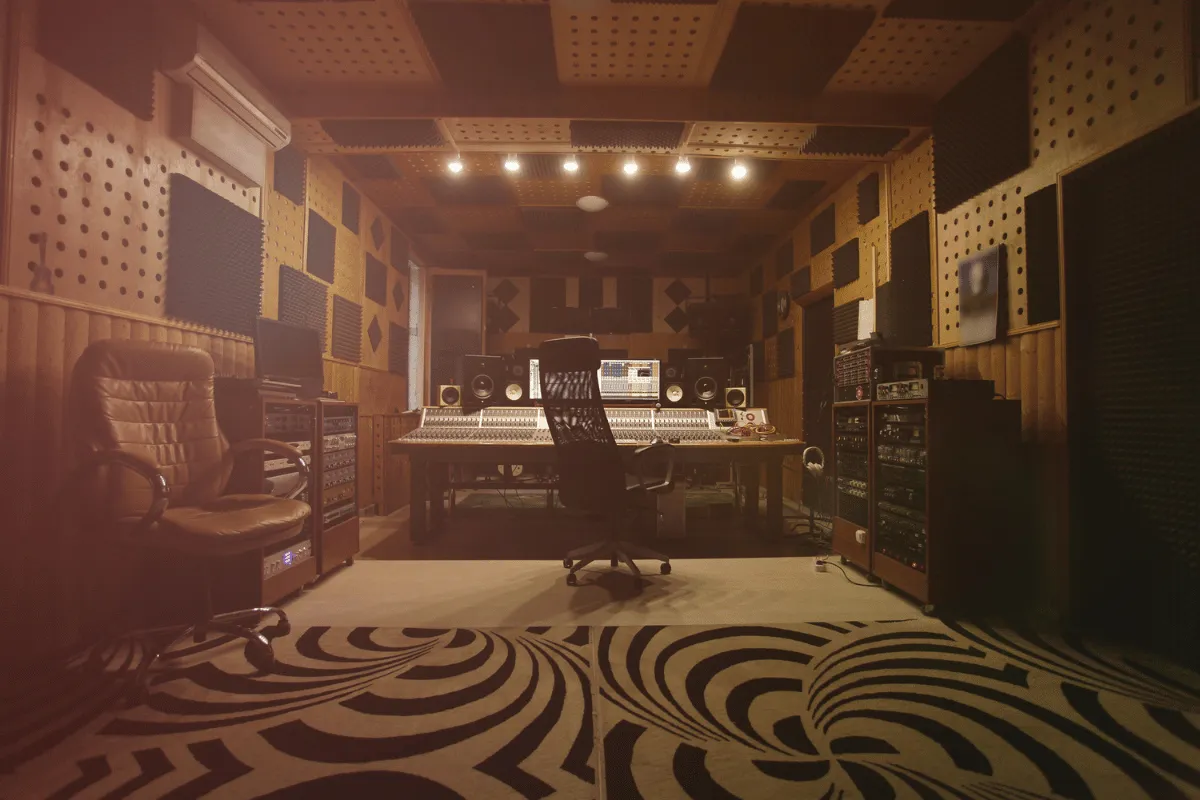
Choosing a location is not just about atmosphere. Zoning and permits determine what you are legally allowed to do in a space. Teaching classes, hosting events, selling work, or operating shared studios may require specific approvals depending on your municipality. Before signing a commercial lease or rental agreement, it is important to confirm that the space is zoned for your intended use. Some creative studios also require permits related to occupancy, accessibility, or public gatherings. This is where many artist spaces encounter challenges, not because of a lack of vision, but because of missing information. Asking questions early can save time, money, and disappointment later on.
Funding your artist space with intention
A common question is how to fund an artist space or creative studio without burning out or giving up control. In practice, funding often comes from a mix of personal savings, community support, grants, and loans.
Loans are not a sign of failure. They are simply a tool. When used intentionally, financing can help cover startup costs, equipment, or early operating expenses while your space builds momentum. Creative Arts Financial offers lending solutions designed for artists, freelancers, and creative entrepreneurs whose income may not follow traditional patterns. Our approach recognizes creative work as real work, worthy of thoughtful financial support. Keeping your finances organized through business banking tools can also make it easier to apply for grants or partnerships as your space grows.
Designing a creative workspace that people want to use
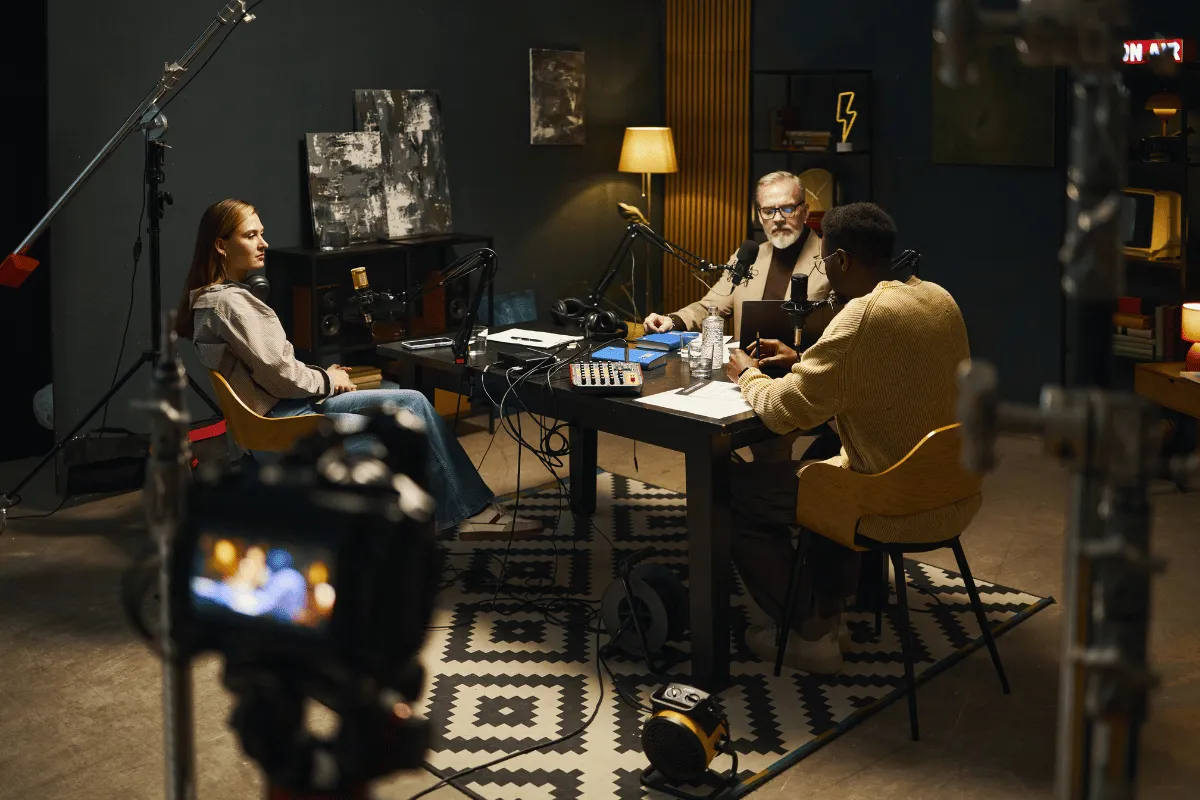
A creative workspace thrives when inspiration and practicality exist side by side. Natural light, thoughtful layouts, and functional storage matter just as much as visual style. Shared spaces benefit from clear expectations. When people understand how to book time, use equipment, and respect shared resources, community tends to grow more naturally. Good design reduces friction and leaves more room for creative flow. Flexibility is a strength. Spaces that can adapt to changing needs often stay relevant longer and welcome a wider range of creative practices.
Managing an artist space is part of the art
Running an artist space involves administration, communication, and care. It includes setting policies, handling payments, scheduling maintenance, and occasionally navigating conflict. None of this makes you less creative. It helps your creativity last. Many artist spaces thrive when management feels shared rather than top‑down. When members feel invested, they often contribute not just financially, but emotionally as well. Digital banking tools from Creative Arts Financial support day-to-day operations through easy transfers, online payments, and clear visibility into cash flow. The goal is to spend less time managing money and more time supporting creative work.

What to expect emotionally and financially
Opening a creative community space is deeply rewarding and, at times, overwhelming. There will be moments of excitement alongside moments of doubt. Growth may feel slow at first, then pick up unexpectedly. Financial stability rarely arrives overnight. Many spaces take one to three years to reach consistent breakeven, especially those centered on community rather than rapid profit. Planning for this timeline helps reduce pressure and supports healthier decisions. Having a financial partner who understands the creative economy can make the difference between simply surviving and truly thriving. At Creative Arts Financial, we believe your art deserves more than applause. It deserves support that sees the full picture.
Final thoughts
When you open an artist space, you are building more than walls and workstations. You are building trust, opportunity, and connection. With thoughtful planning, realistic budgeting, and the right financial tools, your creative studio can become a lasting home for collaboration. If you are ready to open an artist space or explore how to fund a creative studio, Creative Arts Financial is here to help you move forward with clarity, confidence, and joy. For more creative-focused financial guidance, explore the Creatives Guide to Money for practical advice designed to support you through every season of your creative journey.